What Ishaan and Vedant Learned This Summer
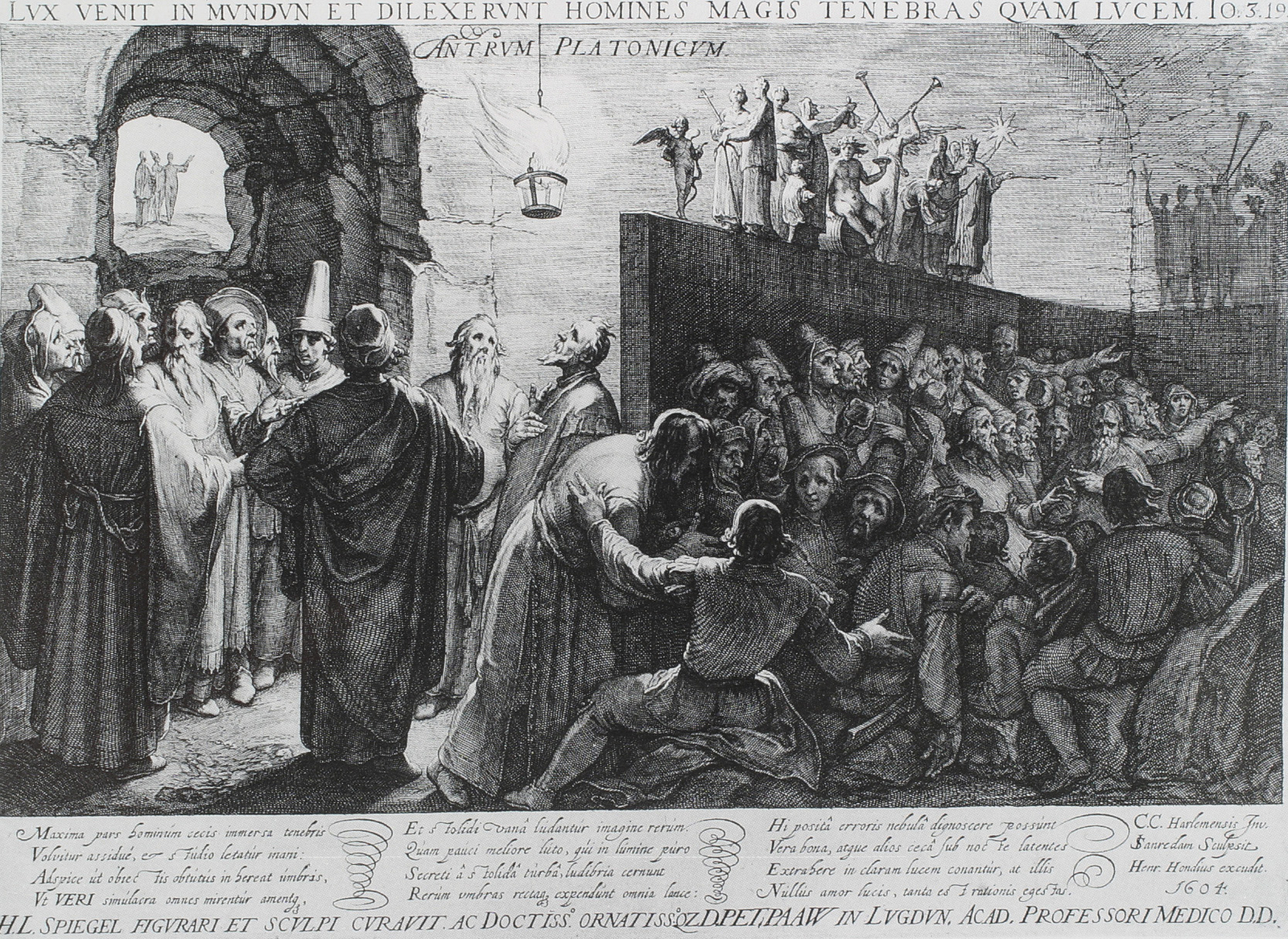
Antrum Platonicum by Jan Saenredam (after Cornelis Cornelisz van Haarlem)
As the first of our interns wrap up and prepare for the fall semester, we wanted to ask them a few questions to help them reflect on their time at Rowan and share learnings with the world.
Today, both Ishaan and Vedant are concluding their internships with Rowan. We're excited to share more of what they've worked on soon. In the meantime, we hope you enjoy their responses to a few questions:
Ishaan's Answers
What are five things you learned during your internship at Rowan?
-
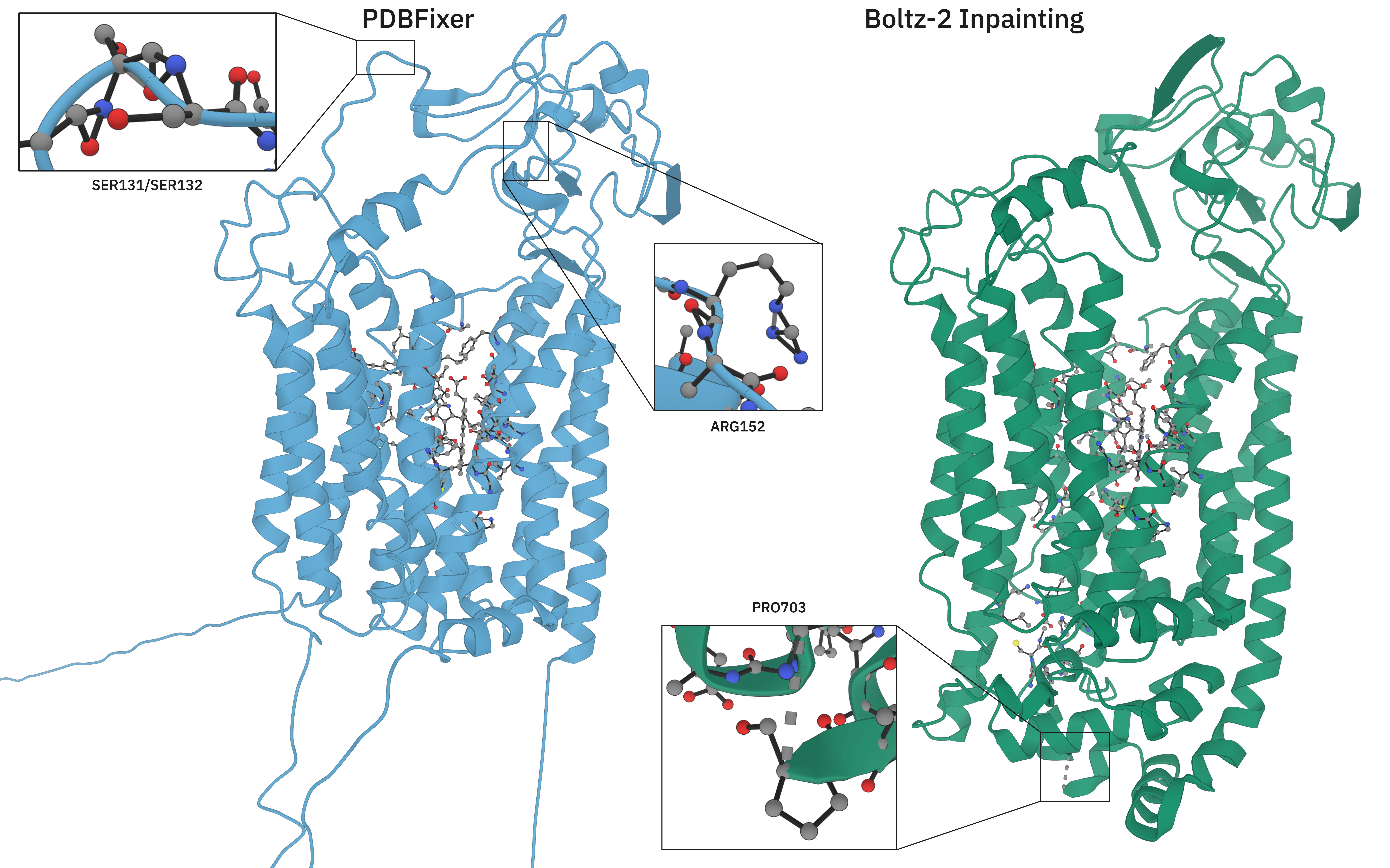
Chemistry and biology software packages are annoying to work with and are largely incompatible with each other. Moreover, because they aren't super widely used, LLMs don't do a great job of suggesting good fixes when one runs into library-specific bugs.
-
Blogs are an awesome source of information for both technical and nontechnical content.
-
Staying up to date with the literature in a field is really helpful in giving you a clear picture of the field's current state. Transitioning from reading an occasional paper to reading a paper daily feels like being freed from the cave and going outside.
-
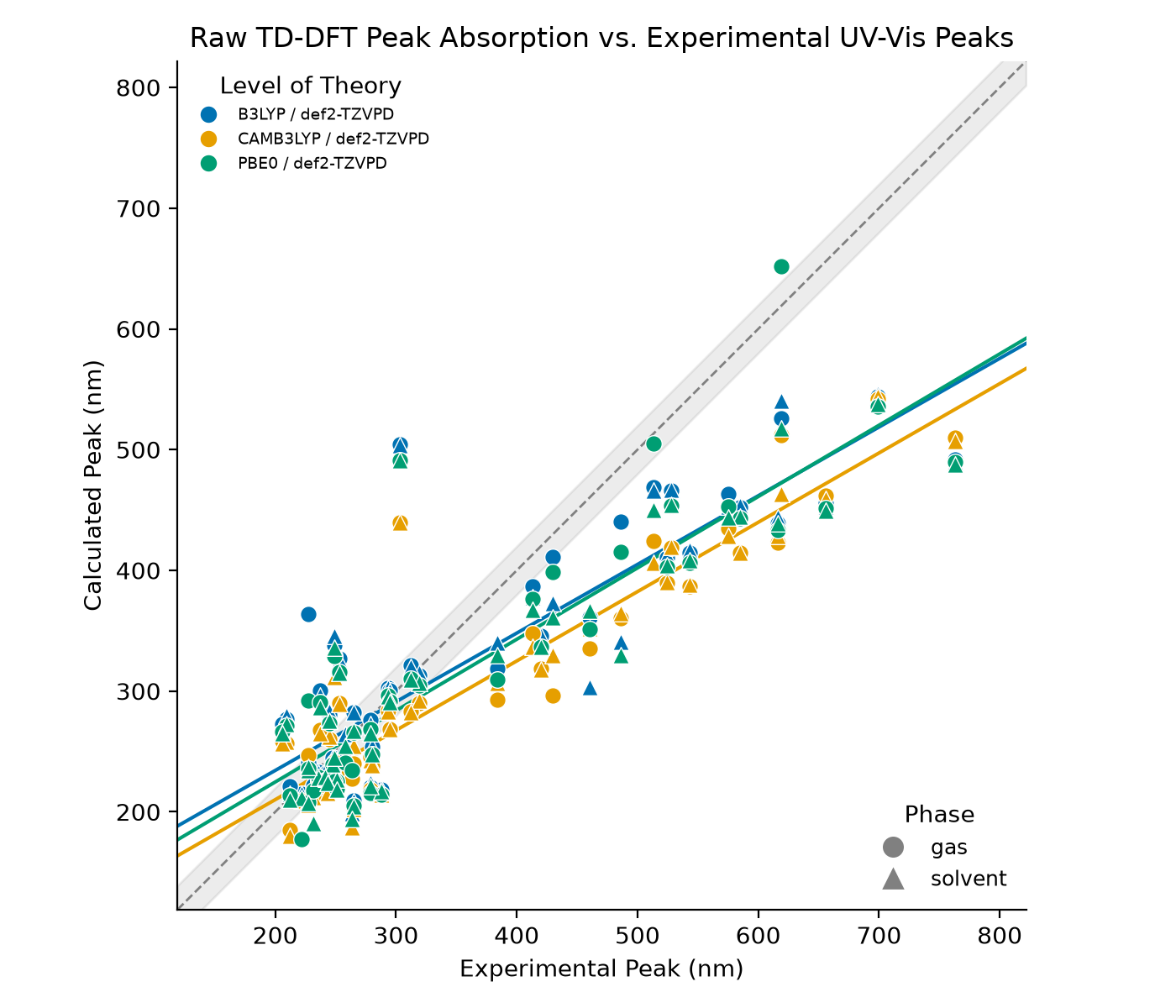
Neural network potentials, as great as they are for small molecule property prediction, do a very poor job of predicting protein–ligand interaction energies. This is even the case for the Meta models trained on the OMol25 dataset. [For more on this, see Ishaan's work benchmarking protein–ligand interaction energies.]
-
"416" is a Toronto phone number prefix. "816" is Kansas City. A big city in the mountains in South America is probably either La Paz or Quito.

Typical Street View coverage of La Paz
What's one thing you're hoping to learn more about following your time at Rowan?
Definitely improving MD [molecular dynamics] simulations. I think there are a lot of cool ideas in this space that are largely good "in theory" but haven't been implemented effectively for easy usage. I want to work on/study different ways to run, say, mid-length MD simulations (e.g. 40 ns) more quickly than existing approaches.
Ishaan is returning to Brown University this fall, where he's studying applied math, CS, and physics. This summer, he also released a preprint on cavity polaritons.
Vedant's Answers
What are five things you learned during your internship at Rowan?
-
Applied research in industry requires a faster pace and narrower focus than academic research (no getting nerd sniped).
-
To work in an interdisciplinary environment with computer scientists, chemists, biologists, etc. you need to be able to both absorb and filter a lot of information at once and be able to explain what you're doing in a way that is understandable (minimize or always define jargon).
-
Similarly, to give a research talk to a group with varying backgrounds, you should focus on building intuition while not sacrificing rigor, ensuring that everyone can get something out of your talk. It should be informative, succinct, and tailored to the audience.
-
ML [machine learning] has a lot of promise in scientific fields but is not a solution for every problem (as much as that realization may "pain" me and other ML researchers). Like any tool or framework, context is key.
-
There's a gap between ML papers reporting new methods and what scientists actually care about. Usefully addressing this gap requires rigorously testing methods, looking at data splitting, benchmarking, and carefully examining any potential data leakage.
What's one thing you're hoping to learn more about following your time at Rowan?
The intersection between the natural sciences (specifically physics/chemistry) and deep learning methods; it seems like there are a lot of interesting problems and that improving my overall scientific understanding would help.
Vedant is returning to Northeastern University this fall, where he's a master's student working on parameter space symmetries in transformers.